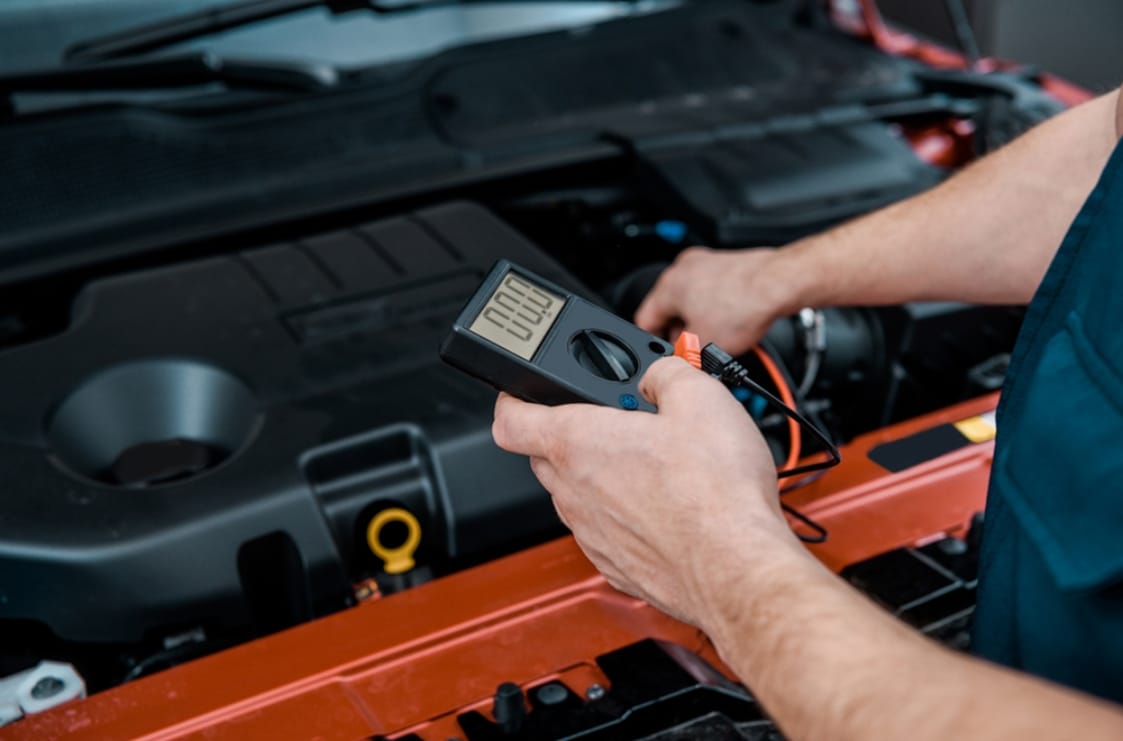
Battery life is a key issue for anyone who regularly uses a variety of electrical devices.
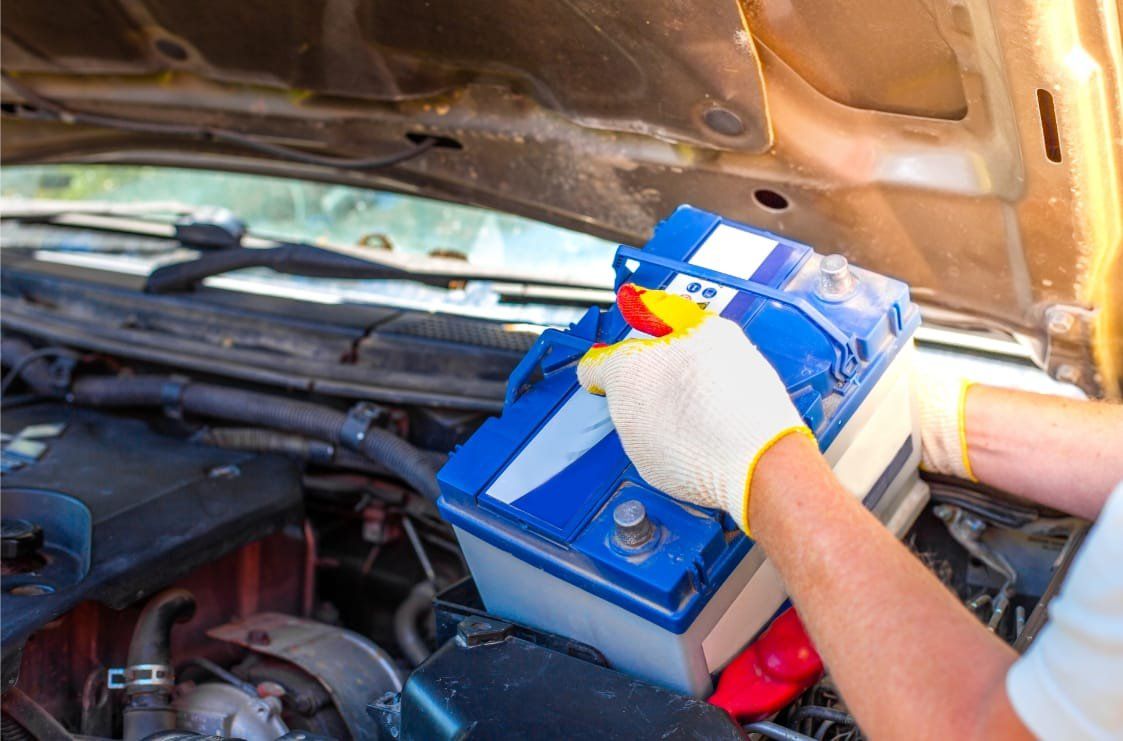
Have you ever wondered how long the battery in your car, laptop, or any other device lasts? Or perhaps you're unsure when it's time to replace this essential component? In today's article, we'll answer these and other questions, explaining everything you need to know about how your power source functions.
A battery is a crucial component of many devices, storing electrical energy and delivering it when needed. There are many technologies for their construction, with the most popular being lead-acid ("Pb"), mainly used in vehicles as starter batteries; nickel-metal hydride ("Ni-MH"), often used in hybrid vehicles as traction batteries; and lithium-ion ("Li-Ion"), frequently found in consumer electronics. Each type has different characteristics and properties, which directly translates to their lifespan, usage efficiency, and application.
Did you know that temperature, usage patterns, and charging methods can significantly impact your battery's lifespan? Temperatures that are too low can reduce its performance and capacity, while high temperatures can lead to faster component aging. Especially lithium-ion batteries are sensitive to damage whilst being charged in too low of a temperature, that is due to lithium dendrite formation. Dendrites are fast-growing pinetree-like microstructures that may pierce the battery internal separator and cause an electric short and even cause self-ignition of the battery! Their formation is caused by local inequilibrium of lithium concentration in the battery material, chance of appearance and tempo of their growth relies on: charging temperature, charging speed, battery quality, state of charge. Frequent and deep discharges shorten battery life regardless of the technology used. However, for safety against self-ignition, lithium-ion batteries are typically transported in a discharged state and stored at a moderate charge level. Charging to full and keeping batteries at maximum charge for extended periods also gradually accelerates the wear on lithium-ion and Ni-MH batteries. Lead-acid batteries, on the other hand, are stored and maintained in a maximally charged state. The charging method—especially using inappropriate chargers—can cause excessive wear. Regular, moderate charging and avoiding extreme temperatures are key to a longer device life. The most detrimental factor to lead-acid battery’s life is remaining in a discharged state. Any discharge below 10.5 volts will result is a form of damage to such a battery, but the amount of said damage depends on the time spent in a deeply discharged state and depth of discharge below 10.5 volts.
The average battery lifespan depends on its type. Lead-acid models typically last about 3-6 years, while lithium-ion ones can function effectively for up to 3-4 years. After this period, their capacity is usually noticeably lower than at the beginning of their use. However, the actual lifespan of a device is strongly linked to its operating conditions. The battery's life is measured in full discharge and charge cycles from 0% to 100%. In reality, a battery with a manufacturer-declared lifespan of 500 charging cycles can last much longer than the said 500 charge and discharge cycles if they occur within the flat voltage charging zone, which usually means a charge level range of 20% to 80%. This is especially true for Li-Ion batteries due to different physical phenomena occurring at the extremities of such a battery’s charge range. Ni-MH batteries, if being managed properly, can last even up to 10-15 years with slow gradual decline of their capacity, but that requires a battery management system which will regulate the charge and discharge parameters throughout its usage. Improperly charged or aggressively discharged nickel-hydride batteries exhibit a lifespan similar to that of a lithium battery.
Recognizing when a battery needs replacement is crucial for avoiding unexpected problems. In vehicles, the main warning sign is a weaker engine start—when the device begins to lose power, the engine struggles to start, especially in cold weather, as the starting power surplus diminishes. Other signs include frequent discharges and a shorter time needed for a full charge (due to the battery having permanently lost some capacity, thus reaching a full charge after receiving less energy). In case of an immediate failure of a lead-acid battery during travel one might smell a characteristic pungent odor. Li-Ion batteries may also bulge and increase their volume by the end of their lifespan, or when they are damaged mechanically. If you notice these symptoms, it's likely time to consider a replacement. Regularly checking the device's condition helps prevent unexpected situations and ensures problem-free vehicle and device use. There are diagnostic devices available for most if not all types of batteries, which allow us to monitor the battery health.
Care and maintenance are essential aspects for enjoying a long and reliable performance from your power source. Regularly checking the charge level and avoiding complete discharge significantly extends its lifespan. It's also important to keep the battery clean, especially the terminals, which can often tarnish or get dirty, impeding the current flow. Good practices also include avoiding extreme temperatures, which can negatively affect battery’s functioning. Storing the battery in a moderately cool, dry place when not in use, monitoring its state of charge, and charging it regularly, at least once every quarter, will help maintain its condition for longer.
The replacement interval depends on the device type and its usage regime. Lead-acid models usually require replacement every 3-6 years, lithium-ion around 3 years, while the less common lithium-iron phosphate batteries, equipped with an internal control system, can last even 5-10 years. However, regular technical inspections are key. Checking the voltage, electrolyte level, resistance or overall condition allows for the detection of potential problems before the device ceases to function. Remember, that proper care and technical condition checks can significantly extend the life of your power source and prevent stranding You somewhere with Your mobile devices or means of transportation not functioning
The actions described, such as proper care and regular checking of the battery's condition, significantly contribute to its longer lifespan. Remember to replace the battery at the appropriate time, before it gives up completely, to ensure problem-free device usage.